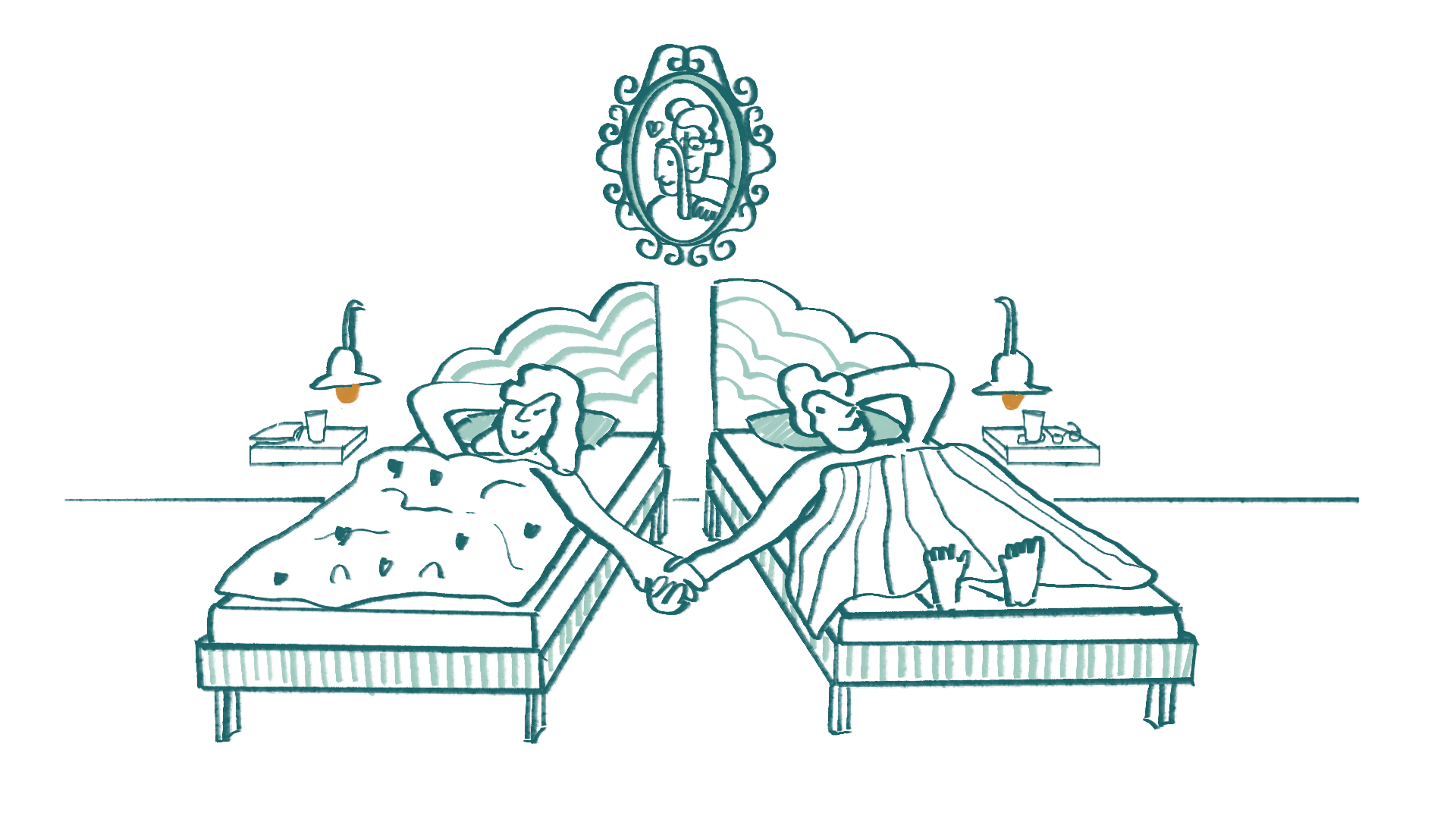

My former partner and I separated shortly before the birth of our child. I did not accompany her to the maternity hospital. Nevertheless, I believed that I was the father of little Tomáš. Until he turned four, I paid child support in accordance with an agreement with my former partner. She then stopped allowing me to see Tomáš. As a result, I stopped making the payments assuming that my former partner would apply to the court for a formal determination of child support, and that I would insist the court also regulate contact with my son. I did not file an application for the regulation of contact myself, mainly because I live abroad and it is difficult for me to propose any regular contact schedule. I waited for two years, during which my relationship with my former partner deteriorated further. She eventually suggested that I might not even be Tomáš’s father. Accepting this possibility is very difficult for me, but I cannot exclude it and I have no certainty. I do not even know whether I am registered as Tomáš’s father on his birth certificate. My former partner refuses to tell me. What can I do? Can I obtain a duplicate of the birth certificate? And what if I am not registered as the father? Can I seek a determination of paternity?
The most practical way to verify whether you are registered as the child’s father is to attempt to obtain an extract (duplicate) of the birth certificate from the Registry Office. Under the Act on Registries, the Registry Office issues an official extract from the Register of Births (a duplicate of the birth certificate) or allows inspection of the registry to the person concerned or to members of that person’s family. A parent clearly falls within the category of family members. So, if you are registered in the Register of Births as the father, you are entitled to request the issue of a duplicate of the child’s birth certificate. The Registry Office will verify your entitlement simply by checking the entry in the Register of Births.
In practice, this works as follows: you apply for the issuance of an extract (duplicate) of the child’s birth certificate, stating that you are the child’s father. If the Registry Office issues the duplicate, this confirms that you are indeed registered as the father. If the Registry Office refuses to issue the duplicate, the answer is equally clear: according to the registry records, you are not entitled to obtain the duplicate, which means you are not registered as the father. In such a case, there are two possible scenarios – either no father is registered on the birth certificate, or another person is registered as the father. As a rule, the Registry Office will not specify which of these two situations applies, as it has no legal basis to disclose information about the child’s parents to a person who is not entitled to receive it.
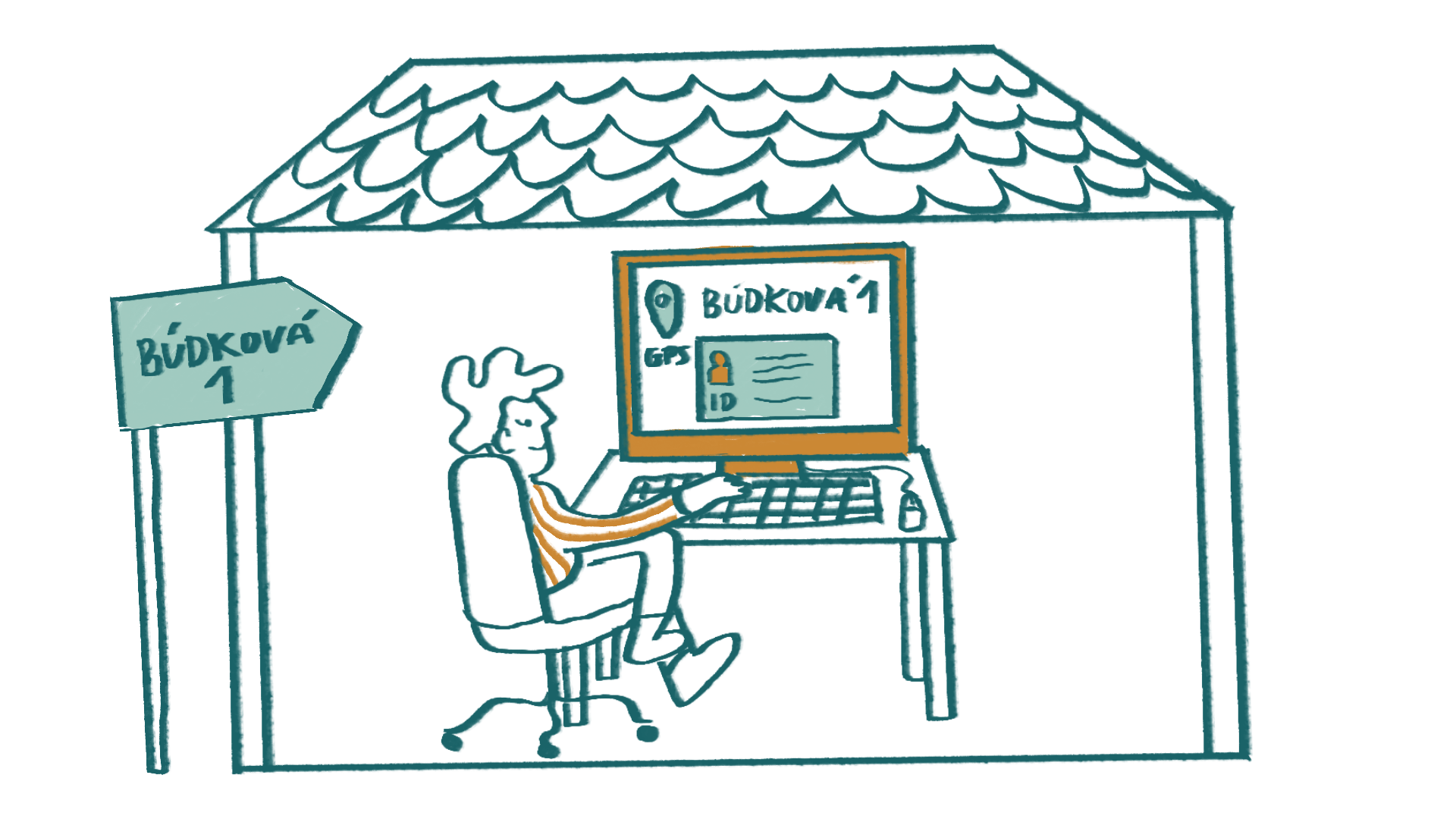
If you live abroad, you may submit the application for the issuance of a duplicate of the birth certificate through an authorised representative. This requires that you provide the Registry Office with a written power of attorney bearing an officially certified signature. If the signature is not certified by a Slovak consulate, additional higher-level authentication (an apostille) is required to confirm that the authority certifying the signature was competent to do so.
If you establish that you are not registered as the father on the birth certificate and no other person is registered as the father either, you have several options for establishing paternity and securing registration on the birth certificate. The first option is an agreement with the mother. You may jointly make a consensual declaration of parenthood before the Registry Office, based on which you will be subsequently registered as the father in the birth certificate. The second option is to file an application with the court for a judicial determination of paternity. In court proceedings, a DNA test is usually ordered, based on which paternity can be conclusively established, particularly if the mother or the alleged father disputes your paternity. This route provides a definitive answer as to whether Tomáš is, or is not, your biological son. If you are confirmed to be Tomáš’s father, this also opens the way for the regulation of parental rights and obligations in respect of your minor child – including the right to maintain contact with the child, the obligation to pay child support, and the ability to exercise rights as the child’s legal representative.
If another person is registered as the father on the birth certificate, the situation is more complex. In such a case, the registered paternity would first have to be annulled by a court decision, and only then could proceedings for the determination of your paternity take place.
Finally, one important remark: if you decide to pursue court proceedings and a DNA test determines the biological facts, you must also be prepared for a negative result. In that case, reality may be harsh. If you are not the biological father and the mother does not consent to you remaining involved in the child’s life, the law provides you with no legal instrument to enforce a paternal role solely based on an emotional bond or the fact that you cared for the child for many years.